Allspice: The Mixed-Case Creative Font for Playful Branding
Finding a typeface that feels both familiar and fresh can be a challenge for designers, marketers, and content creators. You want something with personality that doesn't sacrifice clarity. Enter Allspice, a creative font designed for projects that need a touch of fun without losing professionalism. This isn't just another display font; it's a thoughtfully crafted tool built for real-world versatility.
Understanding Allspice's Unique Character and Visual Appeal
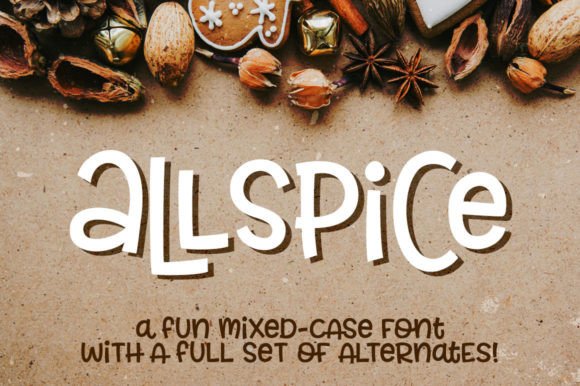
At its core, Allspice is a mixed-case typeface. This means the uppercase and lowercase letters share the same height, creating a uniform, blocky appearance when used together. This characteristic gives it an immediate sense of cohesion and modern appeal. The letterforms themselves feature soft, rounded edges and a friendly, approachable vibe. It’s a font that feels handcrafted yet clean, avoiding the messiness of some handwritten fonts while retaining a personal touch.
The personality of Allspice strikes a balance between playful and functional. It’s ideal for projects where you need to convey creativity, approachability, or a touch of whimsy. Think of a children’s book title, a boutique bakery logo, or the headers on a lifestyle blog. The font doesn’t shout; it invites. Its consistent x-height and clear letterforms ensure that even at smaller sizes, the text remains legible, a crucial factor for both print and digital applications.
Where Allspice Truly Shines: Practical Applications
The real strength of this premium font lies in its adaptability across a wide range of projects. For brand identity, Allspice can be a fantastic choice for logos, business cards, and packaging design, especially for brands in the lifestyle, food, craft, or children’s product spaces. Its friendly aesthetic helps build immediate connection with customers.
In the digital realm, Allspice excels as a web design asset for headings, pull quotes, and social media graphics. Its distinctive look helps content stand out in a crowded feed, improving recognition and engagement. For publishers and bloggers, it can add a unique flair to magazine layouts, book covers, and editorial sidebars, creating visual hierarchy without relying on a traditional serif font or sans serif font.
Crafters and hobbyists will find it particularly useful for DIY projects, greeting cards, invitations, and signage. The font’s inherent cheerfulness translates well to personal creations. Even for more commercial applications like menu design, event posters, or marketing materials for a small business, Allspice provides a professional yet personable voice.
Maximizing Your Design with Allspice's Features
A major advantage of downloading Allspice is the inclusion of a complete second font file: Allspice-Alternates. This is where the font’s versatility multiplies. Every single character—letters, numbers, punctuation, and over 200 accented characters—has an alternate version. This allows you to mix and match within words to create custom, one-of-a-kind lettering. For a logo or a headline, you can swap in a swash or a different stylistic variant for a specific letter to perfect the design.
The distribution is also incredibly user-friendly. Both the main Allspice font and the Allspice-Alternates file are provided in OTF and TTF formats, ensuring compatibility with virtually any software, from Adobe Creative Suite to Canva, Procreate, and even basic word processors. There’s no need to hunt through complex glyph panels; the alternates are simply in a separate, easy-to-use file. This makes it a truly accessible creative font for professionals and beginners alike.
Choosing and Pairing Allspice Effectively
When considering Allspice for a project, think about the tone you need to set. It’s perfect for brands and projects that value approachability and creativity. Test it in context—mock up a logo, lay out a social media post, or see how it looks in a paragraph of text. Pay attention to readability at the sizes you’ll be using.
For font pairing, Allspice works beautifully with simple, neutral typefaces. Pair it with a clean sans serif font for body text to create a clear visual hierarchy. For example, use Allspice for a bold headline and a font like Lato or Open Sans for the supporting copy. If you want a slightly more editorial feel, it can also complement a classic, understated serif font. The key is to let Allspice be the star of the show in headings and accents, while supporting it with a more subdued counterpart for longer passages.
Remember to review the included PDF guide, which maps out which characters are in which file. Since the licensing is typically for commercial use (always check the specific license included with your download), you can confidently use Allspice in client work, products for sale, and digital content. Its blend of unique style, practical features, and ease of use makes it a valuable addition to any designer's toolkit.